
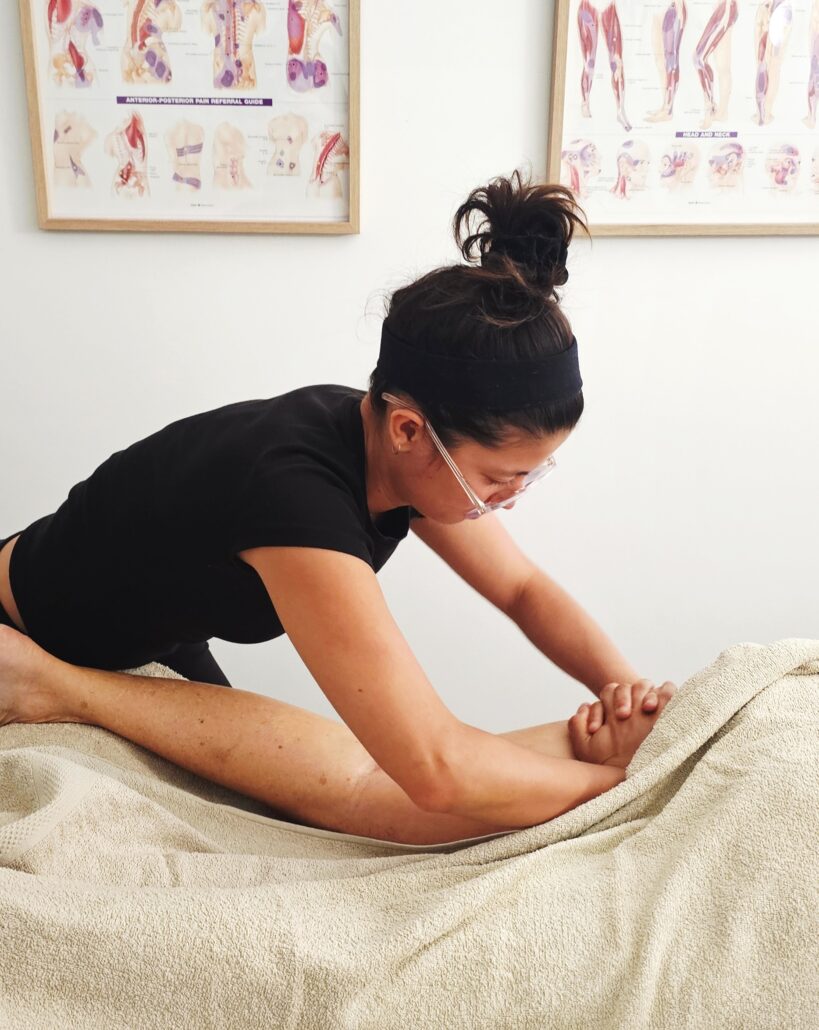
Remedial Massage
Remedial massage focuses on reducing pain, tension, and discomfort in specific areas of the body using soft-tissue techniques.
Sessions are guided by assessment and reassessment of posture and movement to ensure treatment is relevant and effective.
This service is well suited if you:
- Are experiencing localised pain or muscle tension
- Are recovering from injury or strain
- Want short-term relief or maintenance care
- Are new to bodywork and want an entry point
Remedial massage can be used on its own or alongside structural bodywork and movement sessions.
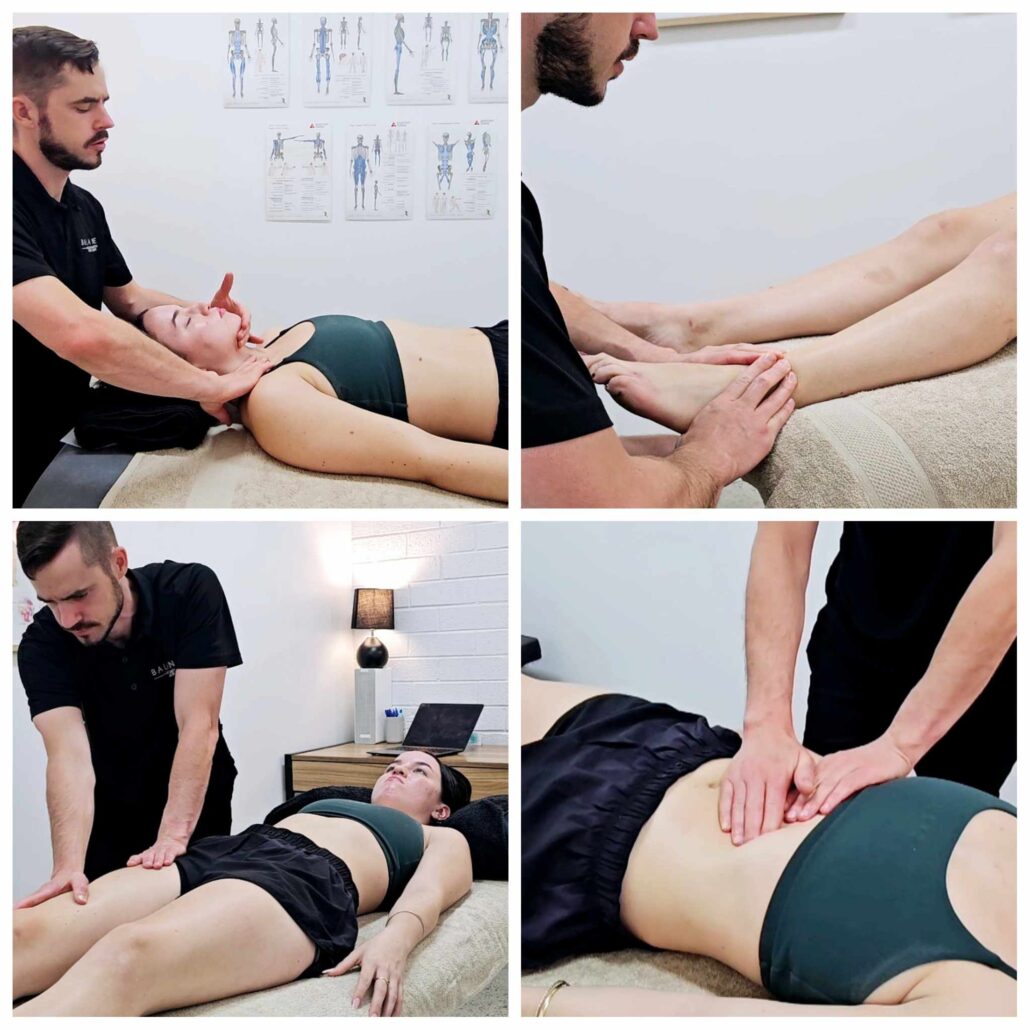
Structural Bodywork
Whole-body change through hands-on work
Structural Bodywork addresses how your body is organised as a whole — rather than focusing only on symptoms.
Sessions work with posture, movement patterns, and how forces move through your body in gravity. Treatment may take place on the table, stool, or in standing, and often includes active participation to support lasting change.
This service is suited to people experiencing:
- Ongoing or recurring pain
- Postural strain or imbalance
- Movement restrictions
- A sense of compression, unevenness, or fatigue in the body
Structural Bodywork is a combination of Remedial Massage and Structural Integration, it’s ideal for shorter term work, acute issues, or experiencing a structural approach to treatment without committing to a full series.
Anatomy Trains
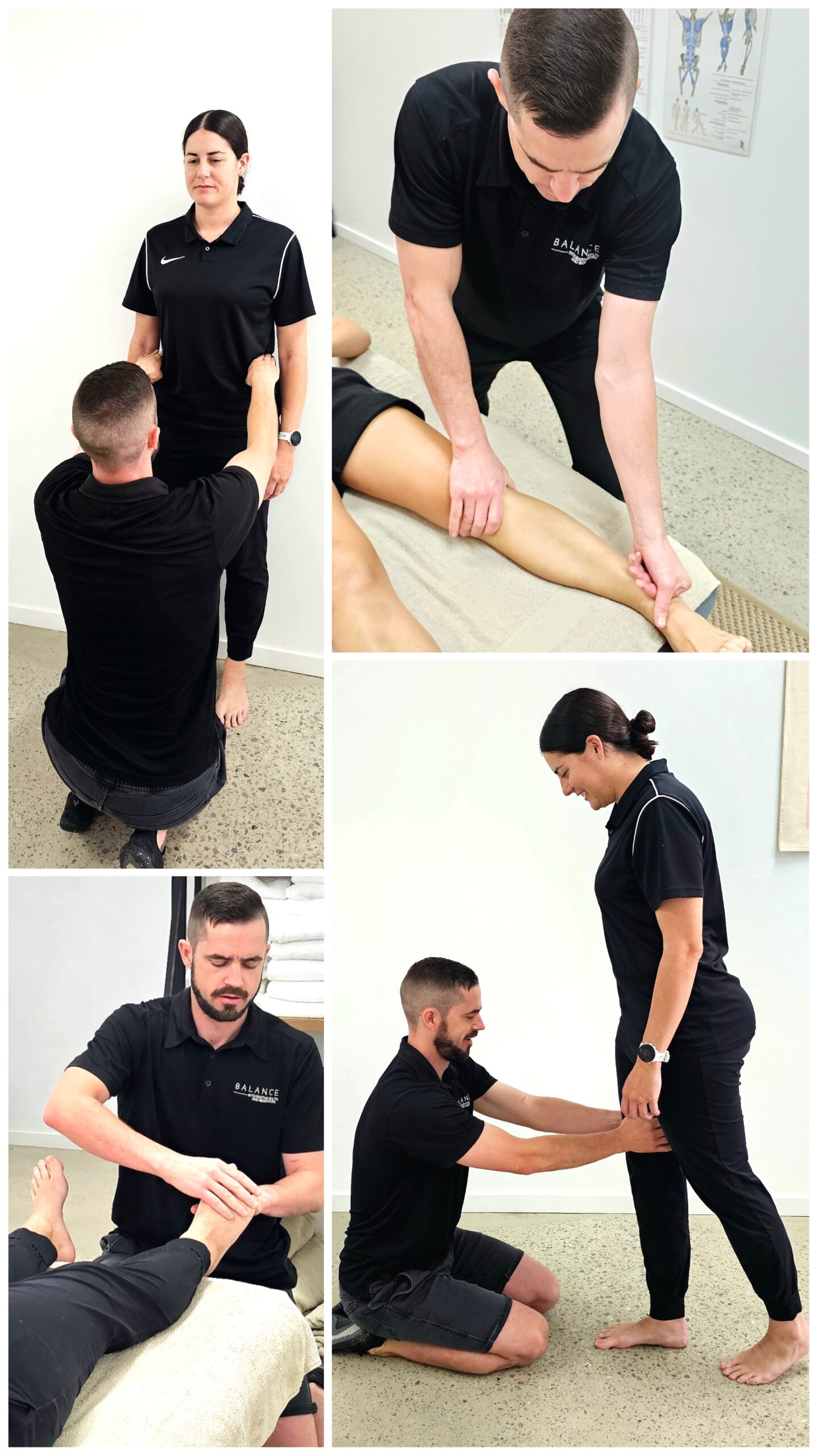
Structural Integration (ATSI)
A structured process for lasting change
Structural Integration is a progressive series of sessions designed to improve how your body moves and supports itself.
Each session builds on the last, following a clear progression that works with the fascial system, posture, and movement patterns.
Sessions may take place on the table, seated, or standing, and include active participation to help your body integrate and retain change.
This service is suited to people experiencing:
- Ongoing or recurring pain
- Long-term postural patterns or imbalance
- Persistent movement restrictions
- A desire for deeper, lasting change in how their body moves and feels
Structural Integration is delivered as a guided 3-session or 12-session series, designed to create cumulative, long-term improvements.
It’s best suited to those ready to commit to a process, rather than seeking short-term or one-off treatment.
- 12-session series – a comprehensive process designed to support deeper, longer-term structural change over 12 sessions.
- 3-session series – a shorter series focused on the lower and upper body over 3 sessions.
Frequently Asked Questions
1. Is Remedial Massage a good place to start?
Yes.
Many clients begin with remedial massage before progressing to Structural Bodywork.
Remedial massage is best for targeted pain relief, muscle tension, and localised discomfort.
2. How is Structural Bodywork different from massage?
Structural Bodywork takes a whole-body approach, rather than focusing only on where symptoms are felt.
It works with posture, movement patterns, and how the body organises itself over time, not just local areas of pain or tension.
Many clients begin with remedial massage and progress to Structural Bodywork when deeper or longer-term change is needed.
3. Are treatments one-off or ongoing?
Both options are available, depending on the service and your goals.
- Remedial massage can be booked as a one-off session for pain or tension relief, or used periodically as needed.
- Structural Bodywork can be booked as individual sessions, though best results are generally seen over a short sequence of 3–5 sessions, allowing changes to build and integrate.
- Anatomy Trains Structural Integration (ATSI) is a more structured process that builds on Structural Bodywork. It follows a defined format and is offered as either a 3-session or 12-session series, depending on your needs and goals.
4. How long does change take?
This varies from person to person.
Some people notice changes quickly, while others experience more gradual shifts over time.
- Remedial massage is effective for addressing local pain or tension and may provide immediate change.
- Structural Bodywork supports deeper change, which commonly continues between sessions as the body adapts and reorganises.
- Movement Integration helps reinforce and maintain these changes by bringing them into walking and everyday movement.